
PT. URC Indonesia has been operating for more than 20 years to produce food and beverage products that have the best quality and value with a maintained process to ensure consumer satisfaction. PT. URC Indonesia is a multinational company located in the MM2100 area, Bekasi, Indonesia offering a variety of snacks to please consumers. Credibility in building solid products over the years has made PT. URC Indonesia a food company loved by the Indonesian people.
In line with the URC Corporate program in carrying out business continuity in the future, it is important for PT. URC Indonesia to take it to the next level in addition to ensuring product quality is maintained, namely by implementing a sustainability program that aims to ensure continued growth, and the CSR program is one that supports this sustainability as an investment for the company for the growth and sustainability of the company, no longer seeing it as a means of cost (cost center) but as a means of gaining profit (profit center)
SUSTAINABILITY
PT. URC Indonesia is strongly committed to implementing Corporate Social Responsibility (CSR) to support sustainable development. This CSR concept addresses current needs without compromising the ability of future generations to meet their own needs.
This sustainability program makes it easier for companies to implement programs as part of their business strategies. One of the company’s key concerns is environmental sustainability in its operational areas during production, as outlined in company policy. The program begins with identifying the company’s economic, environmental, and social issues, which are considered long-term priorities.
TYPE OF SUSTAINABILITY:
Beberapa hal yang sudah dilakukan oleh perusahaan dalam menjalankan CSR program yang bertujuan untuk sustainability sebagai concern utama.
Reduce and Reuse Plastic
URC Indonesia merupakan perusahaan yang bergerak di bidang food and beverages, sehingga intensitas penggunaan plastik sangatlah tinggi selama produksi berjalan. Beberapa tahun terakhir, salah satu inisiatif perusahaan untuk mendukung sustainability program adalah:
- Menghilangkan plastik polybag untuk semua produk snack yang menjadi unsur packaging sebelum produk dimasukan kedalam box karton.
- Mengganti plastik polybag untuk proses transfer produk WIP (Work in Progress) menggunakan tray plastik yang tertutup agar kualitas produk masih tetap terjaga.
- Penggunaan ulang plastik (reuse plastic) untuk digunakan pada material yang sama, diharapkan dapat mengurangi limbah plastik dan benefit pada perusahaan berupa cost saving.
WWTP (Wastewater Treatment Plant)
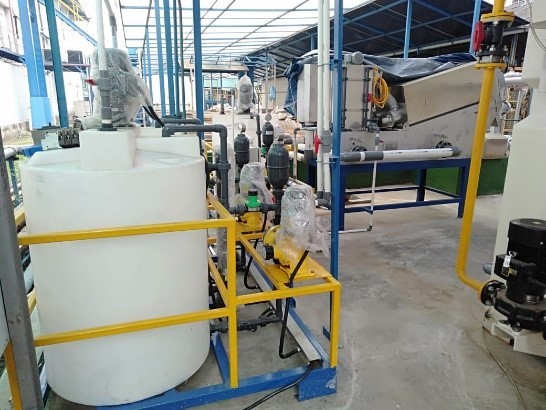
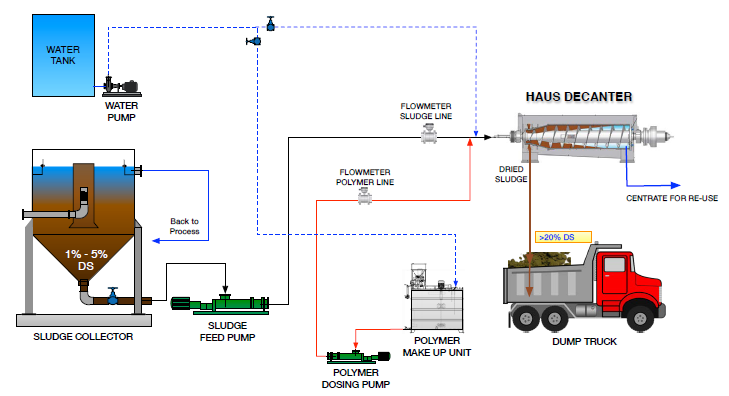
Liquid waste resulting from PT. URC Indonesia’s production and operational processes will be collected and processed in a wastewater treatment plant (WWTP) before being discharged into the area’s wastewater channels. This is one of the efforts to protect the environment from pollution and also to comply with company regulations.
PT. URC Indonesia, located on Jalan Sulawesi, has installed a DAFF machine and a screw press, both of which help stabilize and improve the effluent before it is discharged into the area’s drainage system. Meanwhile, at the plant on Jalan Selayar, in 2021, PT. URC Indonesia invested in the construction of a wastewater treatment plant (WWTP) in accordance with regulations and to ensure the effluent meets standards and does not harm the surrounding environment.
Reduce and Reuse Water
Water is used not only in the production process but also for cleaning tools and machinery during production, including cleaning trays used to store semi-finished products.
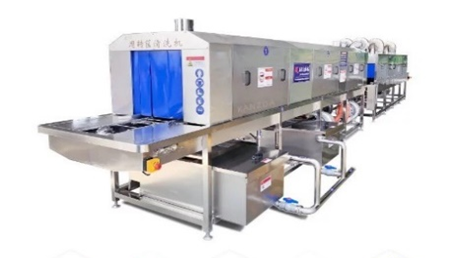
Due to the large number of plastic trays, the washing process requires a significant amount of water. Previously, PT. URC Indonesia carried out the washing process manually, and in 2021, they invested in an Automatic Tray Washing Machine. With this machine, not all water is wasted, but water is filtered and reused repeatedly (circulation), thus saving water usage. In addition to the benefits of savings, PT. URC Indonesia has also contributed to the environment.
To maintain product quality and ensure safety, the company conducts micro-testing to ensure the trays remain clean. Machine-washed trays were found to be cleaner than those washed manually. The company benefits from water savings.
In the CIP (Cleaning in Place) process, PT. URC Indonesia also made improvements to shorten the final rinsing time and minimize water usage in the final rinse by replacing the chemicals used with liquids that can be more homogeneous and do not leave much residue on the cleaning media.
Changes to B3 Waste Categories
Every operation of PT. URC Indonesia generates waste. Previously, sludge from waste processing at the WWTP was categorized as hazardous waste (B3). According to the Minister of Environment’s regulations, the disposal of this B3 waste is regulated by government regulations and requires special treatment.
Because PT. URC Indonesia is a food and beverage company, the waste it produces is derived from food and beverage materials. Based on this, PT. URC Indonesia retested the sludge it produced. The lab analysis revealed that the sludge produced was not classified as hazardous waste, and PT. URC Indonesia proposed changing the sludge category from hazardous waste to non-hazardous waste to the Ministry of Environment in 2021.
Once the proposal is reviewed and accepted, the sludge can be reused as plant fertilizer with the assistance of a licensed third party. In addition to the financial benefits of a cheaper disposal process, this program also contributes to the company’s contribution to managing the resulting waste for greater utility.
Use of LED Lights
PT. URC Indonesia previously used Tube Luminescent (TL) lamps for lighting. These lamps are one of the causes of hazardous waste generated by the company due to their mercury content.
Because the company has committed to reducing B3 waste to support the sustainability program, PT. URC Indonesia has been replacing TL lamps with LED lamps gradually since 2019. In addition to being durable and energy efficient, LED lamps are made from environmentally friendly materials and are not harmful or toxic to humans and the environment.
Use of LED Lights
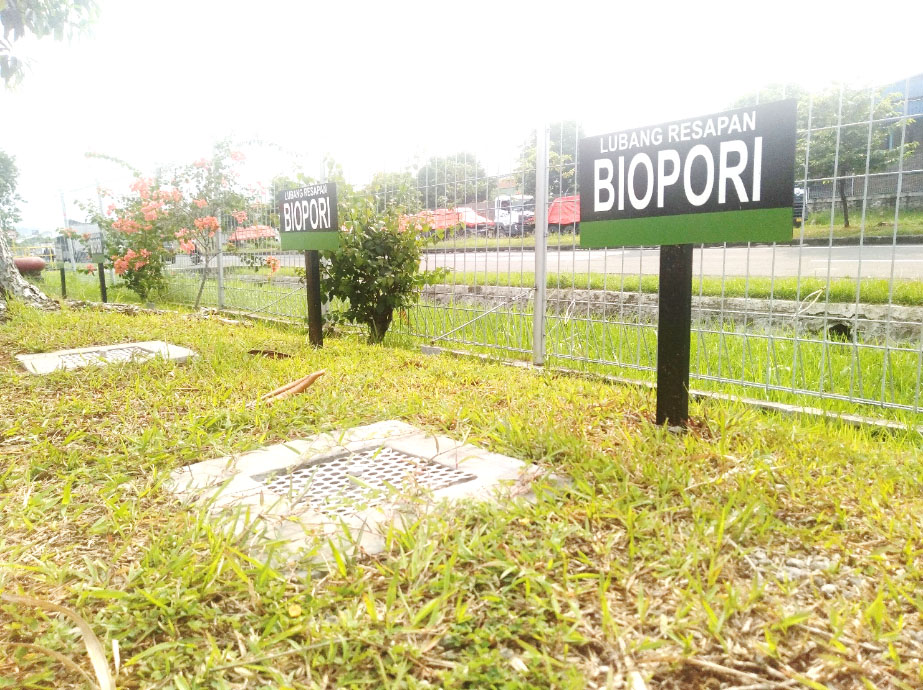
In 2021, PT. URC Indonesia created biopore holes, which increase rainwater infiltration into the soil, thereby reducing the risk of flooding caused by overflow. Furthermore, this technology can increase the amount of clean water reserves in the soil.
The creation of these biopore holes is part of PT Indonesia’s effort to support groundwater conservation programs.
In addition to the points above, PT. URC Indonesia also routinely reports its Environmental Management and Environmental Monitoring Efforts to the Environmental Agency every 6 months and reports its B3 waste disposal activities to the Environmental Agency every 3 months as a form of compliance with government regulations.